Mold remediation after water damage
- Serving 18 towns across DFW
- Free referral, no obligation
- Contaminated water and mold
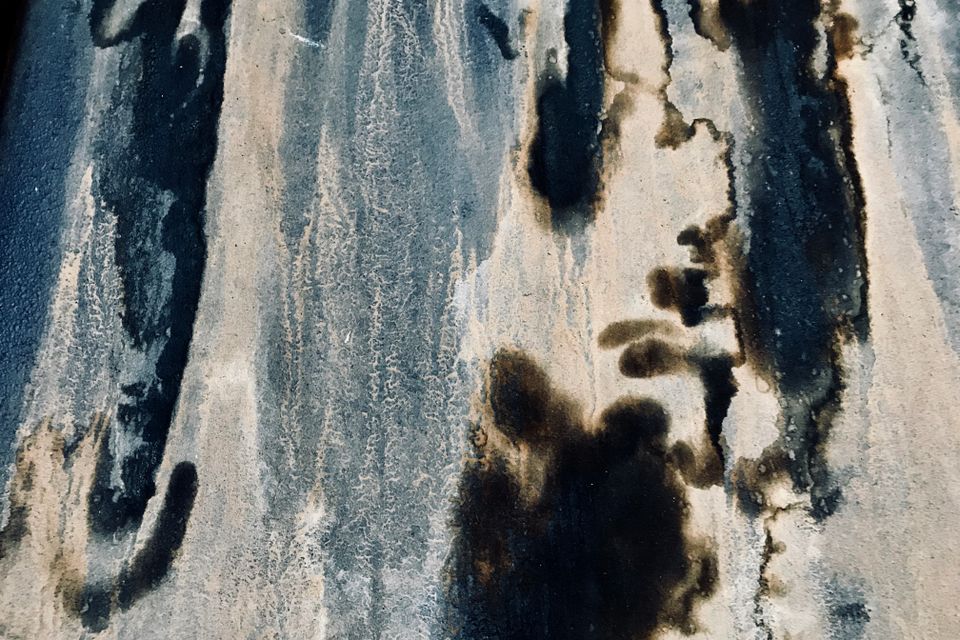
Humid Gulf air, long cooling seasons and slab homes with plumbing inside walls make hidden leaks a common cause of mold in DFW. It often shows up behind a dishwasher, under a sink, behind a shower wall or in an attic above a leaking AC pan.
Texas regulates mold work through the Texas Department of Licensing and Regulation (TDLR). For areas of 25 contiguous square feet or more, a licensed mold assessor writes a protocol and a separately licensed remediator does the work; the same company can't do both on one project. Smaller areas don't require a license, but they still need the moisture problem fixed first.
Mold remediation after water damage at a glance
- Growth starts
- About 24–48 hours on wet materials
- Texas license
- TDLR, for 25+ contiguous sq ft
- Assessor and remediator
- Must be different companies on the same project
- First fix
- Stop the water source
Signs you need mold remediation after water damage
- A musty smell that won't go away
- Black, green or white spots on walls, baseboards or ceilings
- Warped or stained drywall near plumbing
- Allergy symptoms that ease when you leave the house
- Past leaks that were never dried professionally
How the job works
Assess
For larger areas, a licensed assessor inspects and writes a remediation protocol.
Contain
Plastic barriers and negative air machines keep spores from spreading to clean rooms.
Remove and clean
Moldy porous materials are removed; framing and hard surfaces are cleaned and HEPA-vacuumed.
Clearance
For licensed projects, the assessor performs clearance before walls are closed up.
What affects the cost
Every job is priced after an inspection, and your insurer may cover part of it. These are the factors that move the number:
- Size of the affected area
- Assessment and clearance testing
- Containment needs
- Materials removed
- Moisture source repair
What you can do before help arrives
Safe to do
- Fix the leak or moisture source
- Clean a few square feet of surface mold on hard, non-porous surfaces with detergent and water
- Run a dehumidifier to keep indoor humidity below 50%
Stop and call
- Don't disturb large areas of mold without containment
- Don't paint over mold
- Don't rely on bleach on drywall or wood; it doesn't fix the problem
Questions about mold remediation after water damage
Do I need a licensed mold company in Texas?
For mold areas of 25 contiguous square feet or more, yes: Texas requires a TDLR-licensed assessor and a separate TDLR-licensed remediator.
How fast does mold grow after water damage?
It can begin in 24 to 48 hours on wet drywall, wood and pad. Fast extraction and drying are the best prevention.
Does insurance cover mold?
Many policies cover mold only when it results from a covered, sudden water loss, and some cap mold coverage. Mold from a long-term leak is often excluded.
Where we can connect you
Related services
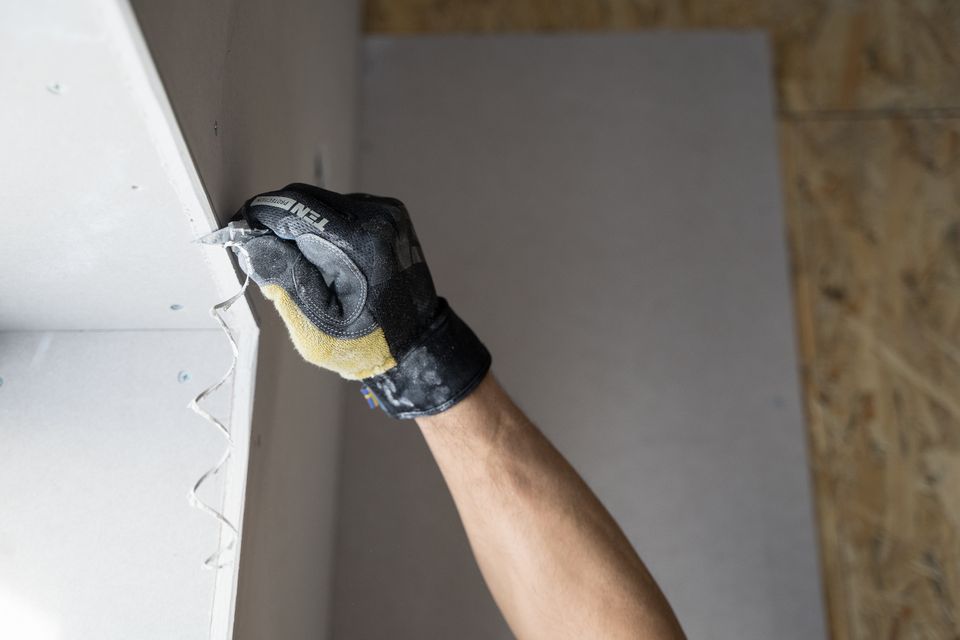
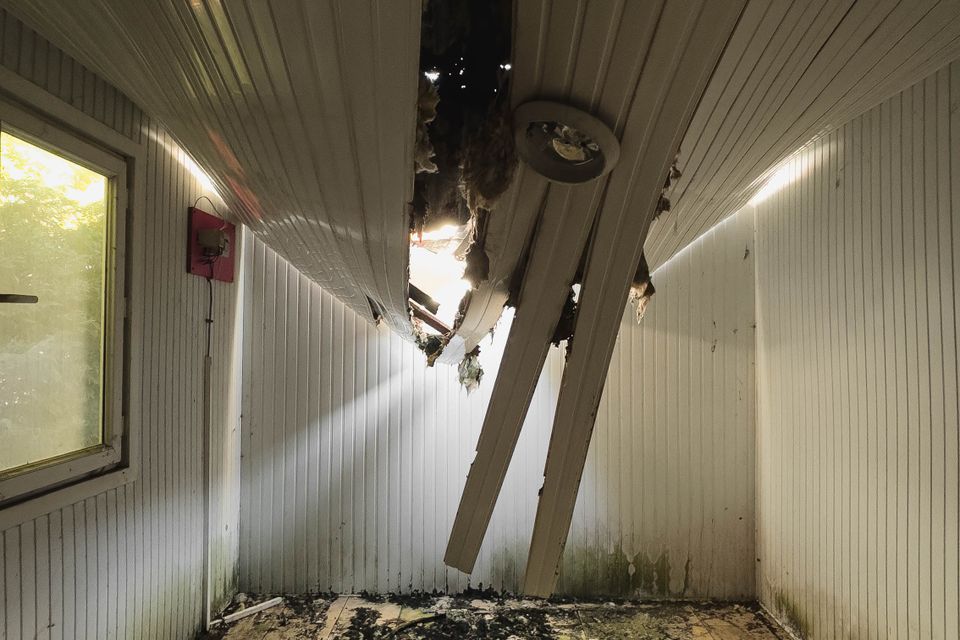
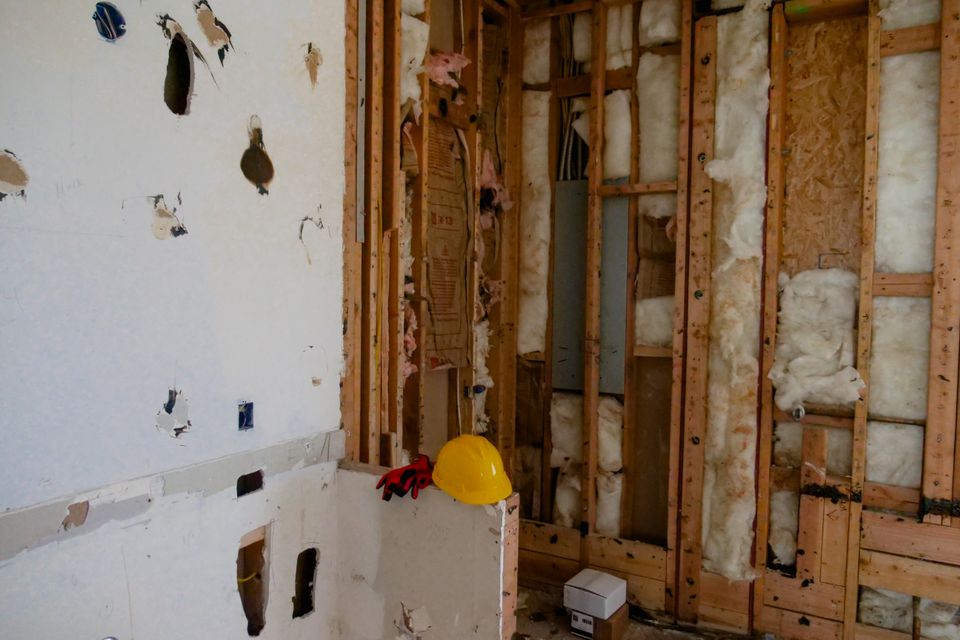
Water where it shouldn't be?
Call and we'll connect you with an independent restoration company that serves your ZIP code. Free, no obligation.