Storm and flood cleanup
- Serving 18 towns across DFW
- Free referral, no obligation
- Contaminated water and mold
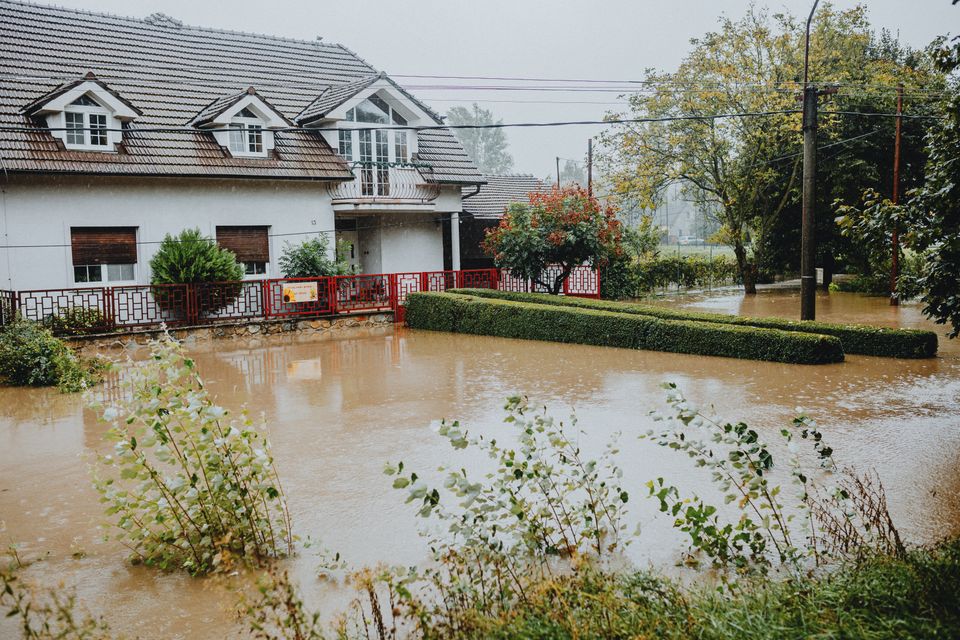
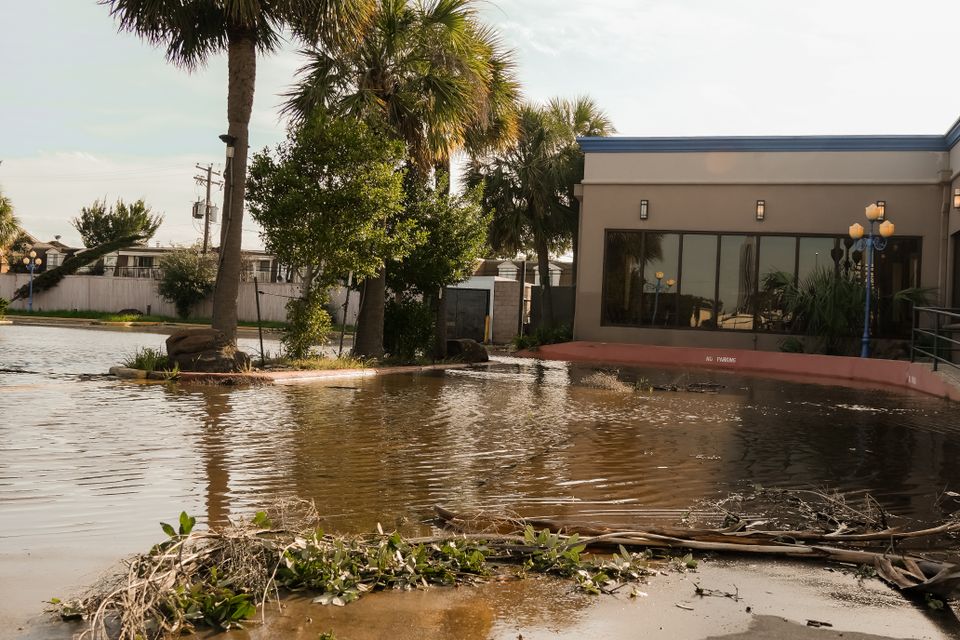
DFW floods come fast. Heavy thunderstorms can drop several inches of rain in a few hours, and in August 2022 parts of the metro got more than nine inches in about a day. Creeks such as White Rock, Johnson, Rowlett, Duck and Big Bear rise quickly, streets flood where storm drains back up, and water comes in under doors and through slab-level garages.
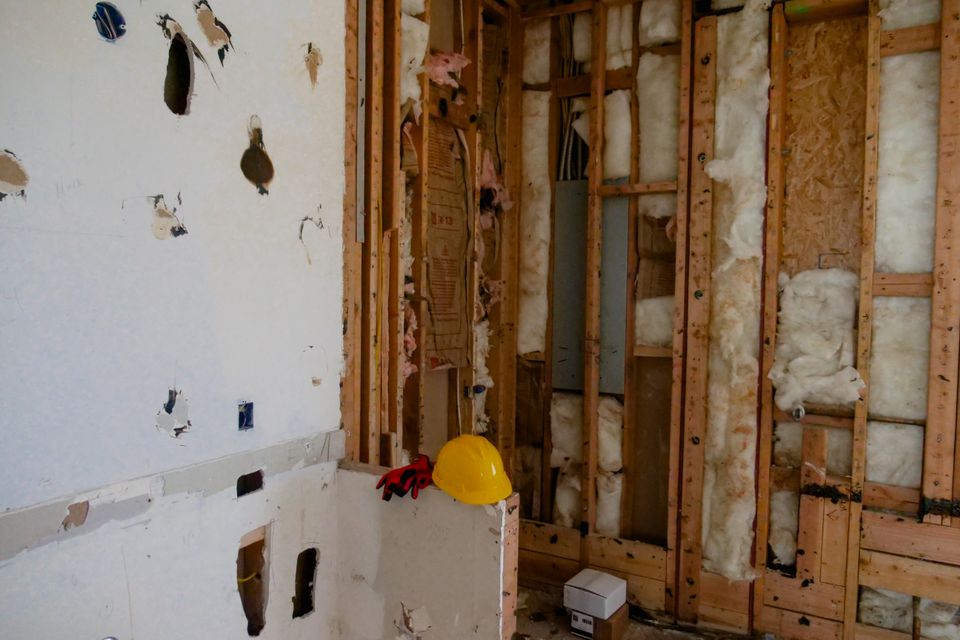
Water that came from outside has picked up soil, sewage and chemicals. That changes what can be saved: wet drywall is usually cut two to four feet above the water line (a flood cut), and soaked carpet and pad go to the curb. Standard homeowners policies don't cover flooding from rising water; that takes a separate flood policy. Our insurance guide explains the difference.
Storm and flood cleanup at a glance
- Water category
- Category 3 (contaminated)
- What's removed
- Soaked carpet, pad, insulation, lower drywall
- Insurance
- Needs a flood policy for rising water
- Drying time
- Usually 3–7 days after tear-out
Signs you need storm and flood cleanup
- Water came in under exterior doors or through the garage
- A water line on walls from standing floodwater
- Mud or debris left inside after water receded
- A sewage smell after heavy rain
- Wet insulation in exterior walls
How the job works
Safety check
The crew checks for electrical hazards, structural damage and gas smells before work begins.
Extract and remove
Water and mud are removed. Contaminated porous materials are cut out and bagged.
Clean and sanitize
Framing, slab and remaining surfaces are cleaned with antimicrobial products.
Dry and verify
Drying equipment runs until framing and slab readings reach dry standards; then rebuilding can start.
What affects the cost
Every job is priced after an inspection, and your insurer may cover part of it. These are the factors that move the number:
- Water depth and how many rooms flooded
- Amount of material that must be removed
- Mud and debris cleanup
- Sanitizing scope
- Contents cleaning or disposal
What you can do before help arrives
Safe to do
- Photograph the water line and damaged items before cleanup
- Wear boots and gloves if you must enter
- Move salvageable items to a dry area
Stop and call
- Don't enter floodwater that may be energized
- Don't keep soaked mattresses, stuffed furniture or particleboard furniture
- Don't let children or pets play in floodwater
Questions about storm and flood cleanup
Does homeowners insurance cover flood damage?
Not for rising water from outside. That requires a flood policy, such as one through the National Flood Insurance Program. Wind-driven rain through a damaged roof or window is often covered by homeowners insurance.
What is a flood cut?
It's cutting wet drywall a set distance above the water line, often two or four feet, so the wall cavity can be cleaned and dried and contaminated insulation removed.
Can I clean up flood water myself?
Small, shallow water in a garage may be manageable with protective gear. Floodwater inside living areas is contaminated and usually needs professional removal and sanitizing.
Where we can connect you
Related services
Water where it shouldn't be?
Call and we'll connect you with an independent restoration company that serves your ZIP code. Free, no obligation.