Emergency water extraction
- Serving 18 towns across DFW
- Free referral, no obligation
- Emergency response
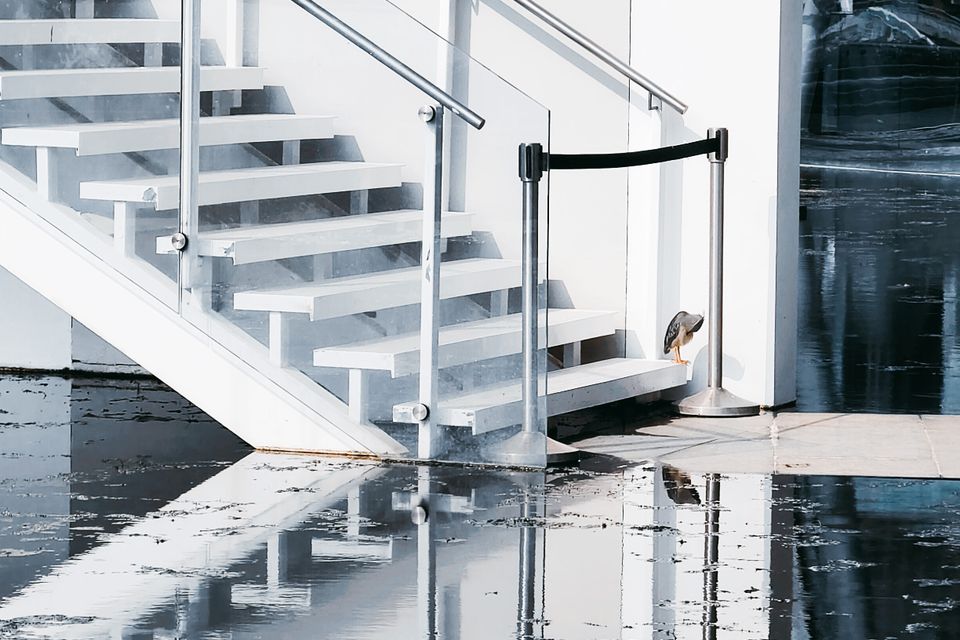
A single gallon of water extracted is a gallon the dehumidifiers never have to pull from the air. That's why extraction is the most time-sensitive step of any water job. Carpet over pad can hold several times its weight in water; left alone, the pad starts to smell within a day and the tack strip and subfloor underneath stay wet.
Restoration crews use weighted extraction tools that press water out of carpet and pad, wands for hard floors, and submersible pumps when water is more than an inch or two deep. On slab-on-grade homes, which most DFW houses are, water spreads across the slab under flooring into neighboring rooms, so the crew checks well past the visible edge.
Emergency water extraction at a glance
- When to call
- As soon as water is standing
- Equipment
- Truck-mount or portable extractors, pumps, weighted tools
- What follows
- Structural drying, 3–5 days
- Water category
- Assessed before extraction starts
Signs you need emergency water extraction
- Water standing on floors after a pipe, appliance or toilet leak
- Carpet that squishes underfoot
- Water flowing from under a wall or cabinet
- Storm water that came in under doors
- A water heater that emptied onto the floor
How the job works
Confirm the water is off
The crew checks that the source is stopped and electricity to wet areas is safe.
Pump and extract
Pumps handle deep water; extractors pull water out of carpet, pad and hard floors.
Decide on pad and carpet
Clean-water carpet can often be dried in place. Pad is usually replaced. Gray or black water means carpet and pad come out.
Set drying equipment
Air movers and dehumidifiers go in right after extraction, and moisture is recorded as the starting baseline.
What affects the cost
Every job is priced after an inspection, and your insurer may cover part of it. These are the factors that move the number:
- Square footage of wet flooring
- Depth of standing water
- Water category
- Whether carpet and pad can be dried in place
- After-hours response
What you can do before help arrives
Safe to do
- Use towels and a wet/dry shop vac on small, clean-water spills
- Lift area rugs off wet floors to dry separately
- Open interior doors and run the AC to keep humidity down
Stop and call
- Stay out of water that is touching electrical outlets or cords
- Don't try to extract sewage-contaminated water yourself
- Don't pull up wall-to-wall carpet on your own before it's documented for insurance
Questions about emergency water extraction
How fast should water be extracted?
As soon as possible. Materials start to swell and smell within 24 hours, and mold can start growing in 24 to 48 hours on wet drywall and pad.
Can wet carpet be saved?
Often, if the water was clean and it's extracted quickly. The pad underneath is usually replaced because it holds water and is inexpensive compared with the carpet.
Is a shop vac enough?
For a small spill on a hard floor, yes. For wet carpet, water under flooring or anything more than a few square feet, a shop vac leaves most of the water behind.
Where we can connect you
Related services
Read before the crew arrives
Water where it shouldn't be?
Call and we'll connect you with an independent restoration company that serves your ZIP code. Free, no obligation.