Sewage backup cleanup
- Serving 18 towns across DFW
- Free referral, no obligation
- Contaminated water and mold
Sewer backups in DFW often come from roots in older clay or cast iron lines, grease buildup, or a main line that settled as the clay soil shifted. Heavy rain can also overload city sewers and push water back up through the lowest drain in the house, usually a shower or tub on a slab home.
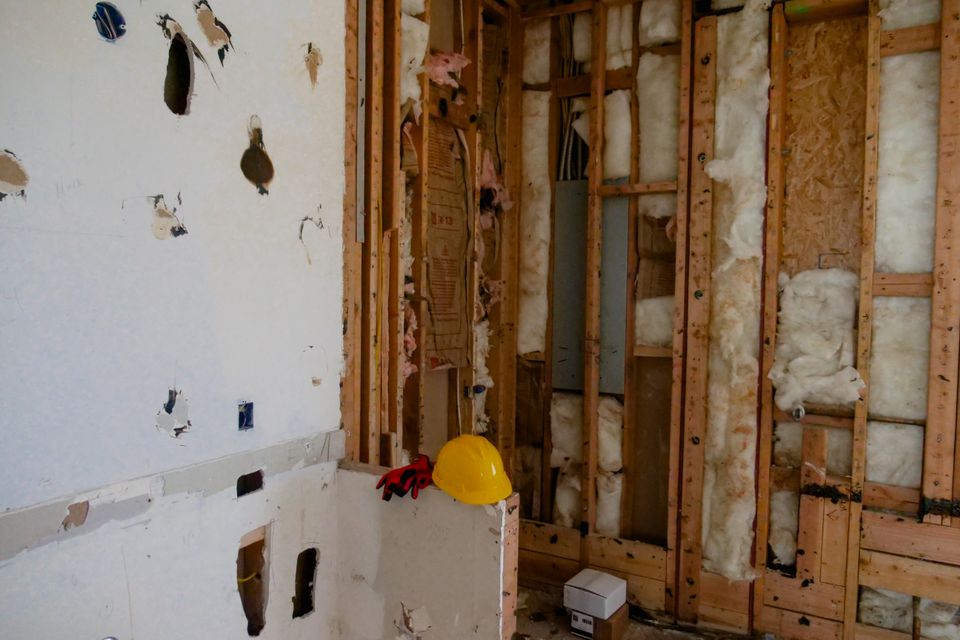
Carpet, pad, drywall and insulation that sewage touched are removed rather than cleaned. Tile, concrete and sealed surfaces can be disinfected. A plumber should clear and camera-inspect the line so the backup doesn't come back as soon as the house is dry.
Sewage backup cleanup at a glance
- Water category
- Category 3 (black water)
- Removed
- Carpet, pad, drywall and insulation it touched
- Protective gear
- Required for cleanup crews
- Line repair
- Plumber clears and inspects the sewer line
Signs you need sewage backup cleanup
- Water coming up through a shower, tub or floor drain
- A toilet overflowing when other fixtures drain
- Gurgling drains and a sewer smell
- Multiple drains backing up at once
- Wet spots in the yard over the sewer line
How the job works
Contain
The affected area is sealed off and the crew wears protective gear.
Remove
Sewage is extracted and contaminated porous materials are bagged and removed.
Disinfect
Hard surfaces and framing are cleaned and treated with disinfectants.
Dry and clear the line
The structure is dried, and a plumber clears the blockage and inspects the line.
What affects the cost
Every job is priced after an inspection, and your insurer may cover part of it. These are the factors that move the number:
- Area affected
- Materials that must be removed
- Contents that can't be kept
- Disinfection scope
- Sewer line repair
What you can do before help arrives
Safe to do
- Stop using water in the house so the backup doesn't grow
- Keep people and pets out
- Open windows if the weather allows
Stop and call
- Don't clean sewage with household cleaners and a mop
- Don't run the HVAC if ducts or returns are in the affected area
- Don't keep soaked rugs, mattresses or upholstered furniture
Questions about sewage backup cleanup
Is sewage backup covered by insurance?
Many Texas policies exclude sewer backup unless you added a water backup endorsement. Check your declarations page for that coverage.
Can I stay in the house?
If the backup is small and contained to one bathroom, often yes, with that area closed off. Larger backups or any sewage on carpet in living areas usually mean staying elsewhere until cleanup is done.
Why did sewage come up in my shower?
Water backs up at the lowest drain. On slab homes that's often a shower or tub on the ground floor.
Where we can connect you
Related services
Read before the crew arrives
Water where it shouldn't be?
Call and we'll connect you with an independent restoration company that serves your ZIP code. Free, no obligation.