Water damage insurance claim documentation
- Serving 18 towns across DFW
- Free referral, no obligation
- Insurance and documentation
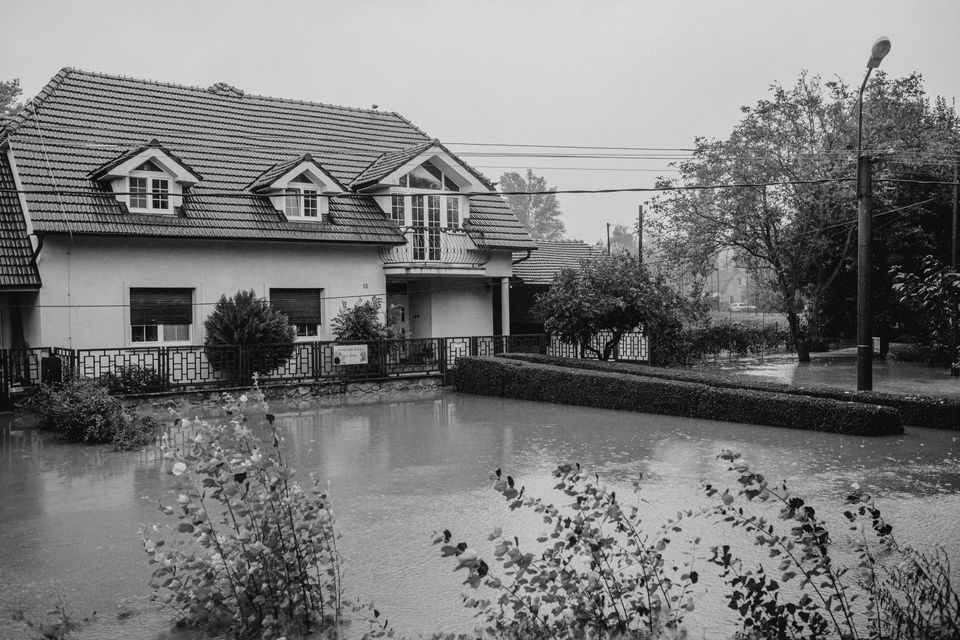
Your insurance company decides what's covered; the restoration company's job is to make the loss easy to understand. Good documentation starts before anything is moved: wide shots of each room, close-ups of damage, the source of the leak, and moisture readings.
In Texas, contractors can't act as your public adjuster and can't negotiate your claim for you, and they can't waive or rebate your deductible. What they can do is provide an accurate scope, meet the adjuster on site, and answer technical questions. Our guide on whether insurance covers water damage in Texas explains common coverage lines.
Insurance claim documentation at a glance
- Documents
- Photos, moisture maps, drying logs, itemized scope
- Estimating format
- Usually the software your insurer uses
- Texas rule
- Contractors can't adjust claims or waive deductibles
- Your role
- Report promptly and prevent further damage
Signs you need insurance claim documentation
- You're about to file a water damage claim
- The adjuster asked for a scope or moisture readings
- You aren't sure what was removed or why
- Your claim was delayed for missing documentation
- You need a record for a landlord, HOA or buyer
How the job works
Record before work
Photos and video of every affected room, the source and damaged contents.
Moisture mapping
Readings show where water traveled, including inside walls.
Daily drying log
Readings each day prove progress and the final dry standard.
Scope and invoice
An itemized scope lists every task and material, ready for the adjuster.
What affects the cost
Every job is priced after an inspection, and your insurer may cover part of it. These are the factors that move the number:
- Usually included with mitigation work
- Separate contents inventory if needed
- Additional site visits with the adjuster
- Third-party testing if required
What you can do before help arrives
Safe to do
- Take your own photos and video before cleanup
- Keep damaged items until the adjuster says you can discard them
- Save receipts for hotels, meals and supplies
Stop and call
- Don't let anyone promise a specific claim outcome
- Don't sign documents you don't understand
- Don't delay reporting the loss
Questions about insurance claim documentation
Should I call my insurance company or a restoration company first?
Stop the water and prevent further damage first; your policy expects that. Then report the claim. Many people call both on the same day.
Do I have to use the restoration company my insurer recommends?
Generally, no. You can choose your own company, though your insurer may have a preferred vendor program.
What's the difference between mitigation and repair?
Mitigation is stopping and drying the damage. Repair (or rebuild) is putting the house back. They're often billed and approved separately.
Where we can connect you
Related services
Water damage restoration
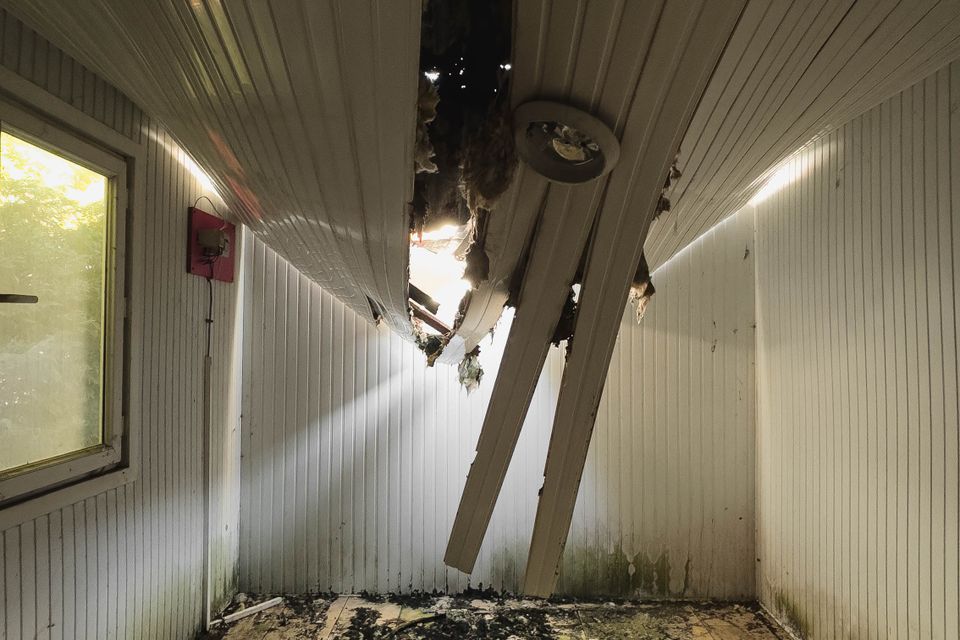
Extraction, drying, cleanup and repair after any indoor water loss.
Learn more →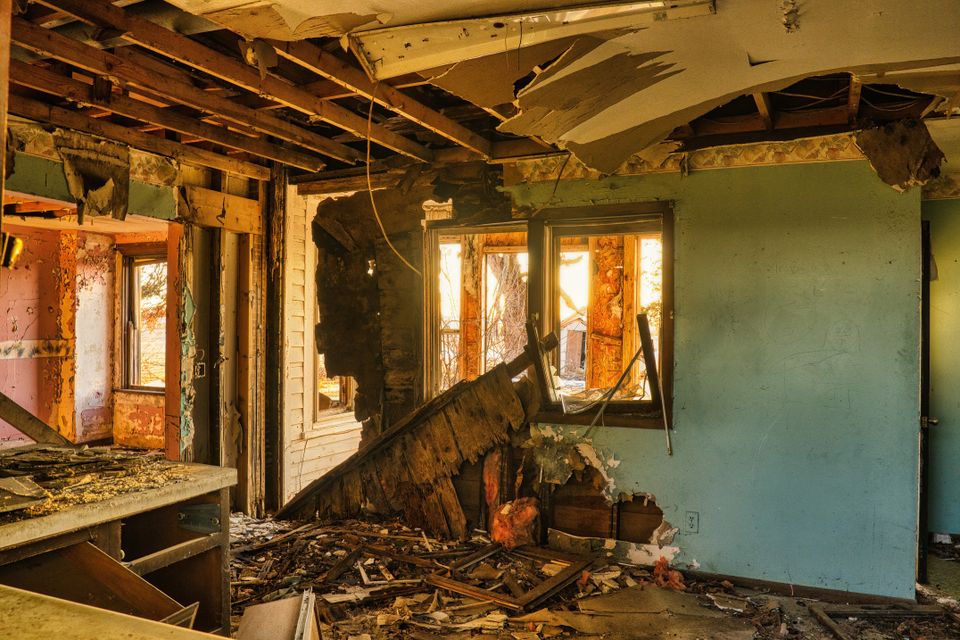
Storm and roof leak water damage
Hail, wind and heavy rain getting in through the roof.
Learn more →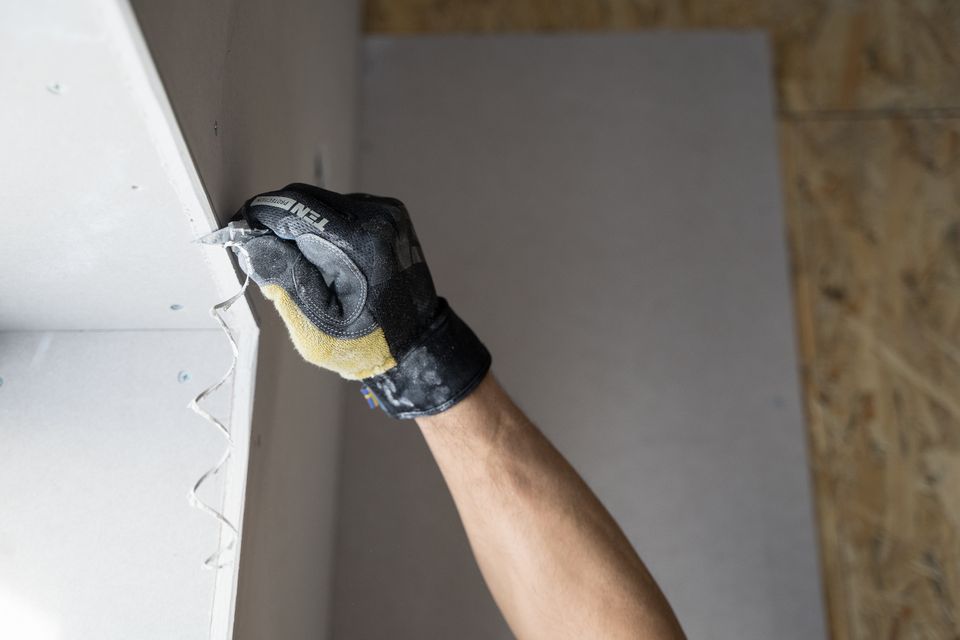
Structural drying and dehumidification
Measured drying of framing, subfloor, drywall and slab.
Learn more →Read before the crew arrives
Water where it shouldn't be?
Call and we'll connect you with an independent restoration company that serves your ZIP code. Free, no obligation.