Slab leak water damage
- Serving 18 towns across DFW
- Free referral, no obligation
- Leaks by source

Most DFW homes sit on concrete slabs over expansive clay. In wet spring months the soil swells; in dry August it shrinks and cracks. That movement, along with abrasion and corrosion, can wear through copper or cast iron lines running under the slab. Hot water lines often fail first, which is why a warm spot on tile is a classic clue.
A leak detection specialist or plumber finds the leak with acoustic and thermal tools, then repairs it by tunneling, cutting through the slab, or rerouting the line through walls and attic. The restoration side dries flooring, baseboards and drywall that got wet and replaces what can't be saved.
Slab leak water damage at a glance
- DFW cause
- Expansive clay soil movement, corrosion
- Signs
- Warm floor, meter moving, wet flooring
- Repair
- Tunnel, slab cut or reroute by a licensed plumber
- Drying
- Flooring, baseboards and lower walls
Signs you need slab leak water damage
- A warm or damp spot on a tile or wood floor
- The water meter moves when every fixture is off
- A water bill much higher than normal
- Sound of running water with nothing on
- Cracks in flooring or baseboards pulling away
How the job works
Detect
A plumber or leak detection company pinpoints the leak under the slab.
Repair the line
The pipe is repaired or rerouted by a Texas-licensed plumber.
Remove wet materials
Damaged flooring and baseboards are removed so the slab and walls can dry.
Dry and restore
Dehumidifiers and air movers dry the slab surface and walls, then flooring is replaced.
What affects the cost
Every job is priced after an inspection, and your insurer may cover part of it. These are the factors that move the number:
- Leak detection
- Repair method: tunnel, slab cut or reroute
- Flooring removed and replaced
- Drying time for the slab
- Foundation evaluation if movement is severe
What you can do before help arrives
Safe to do
- Do a meter test: turn off all water and watch the meter for 15 minutes
- Shut off the main if water is surfacing
- Keep records of water bills
Stop and call
- Don't jackhammer the slab yourself
- Don't lay new flooring over a damp slab
- Don't ignore a warm spot on the floor
Questions about slab leak water damage
Does homeowners insurance cover slab leaks?
It depends on the policy. Some pay to access the pipe and repair resulting water damage but not the pipe itself; others exclude foundation-related water damage. Read the water and foundation sections of your policy.
Why are slab leaks common in Dallas–Fort Worth?
Expansive clay soil moves with wet and dry seasons, which puts stress on pipes under the foundation.
Is rerouting better than breaking the slab?
Often, for supply lines. Rerouting through walls or the attic avoids breaking the foundation and replaces aging pipe in the process. Drain line leaks usually require slab access or tunneling.
Where we can connect you
Related services
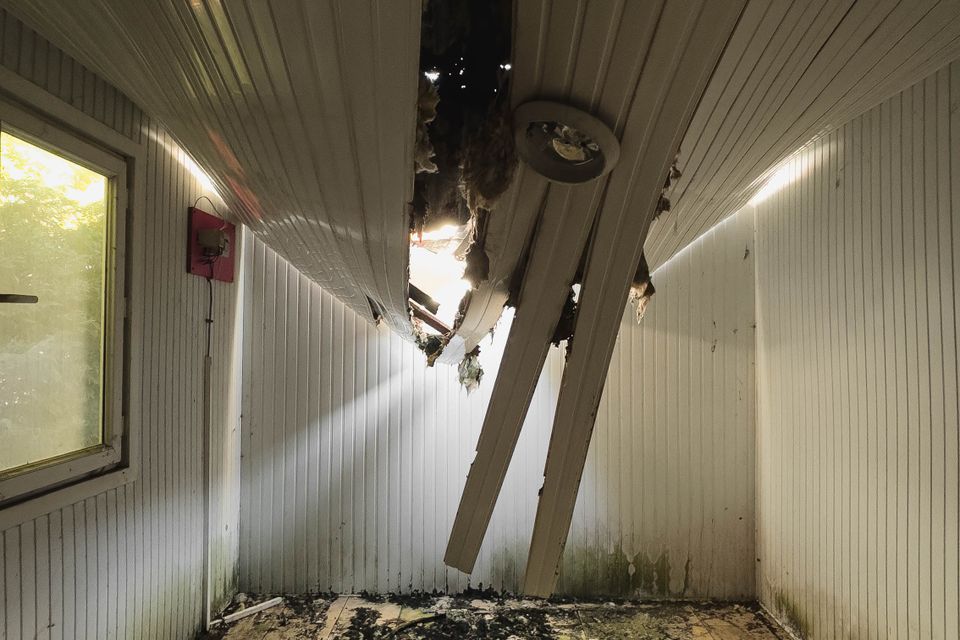
Water damage restoration
Extraction, drying, cleanup and repair after any indoor water loss.
Learn more →
Structural drying and dehumidification
Measured drying of framing, subfloor, drywall and slab.
Learn more →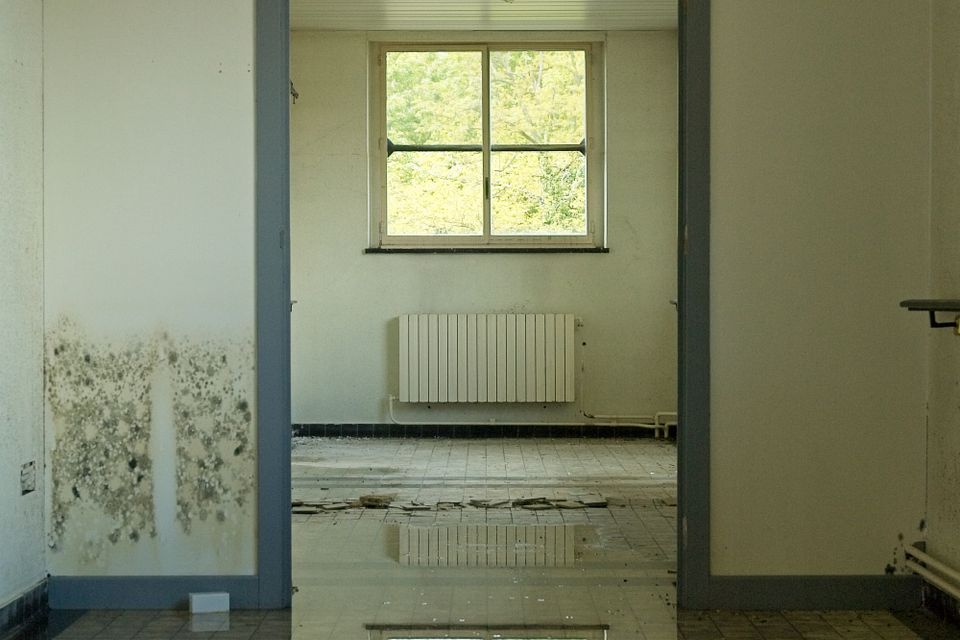
Appliance leak cleanup
Water heaters, washers, dishwashers, fridges and AC units.
Learn more →Read before the crew arrives
Water where it shouldn't be?
Call and we'll connect you with an independent restoration company that serves your ZIP code. Free, no obligation.