Mold after water damage: how fast it grows and what to do
Why mold follows water
Mold spores are already in every home. They need moisture, food (drywall paper, wood, dust) and time. Warm, humid North Texas conditions speed growth, especially inside walls and under floors that stay wet.
Prevent it
- Get water extracted within hours, not days
- Dry to measured targets, not just until surfaces feel dry
- Keep indoor humidity below about 50%
- Remove materials that can't be dried in time, like soaked pad
Texas mold rules
Texas regulates mold assessment and remediation through TDLR. For mold areas of 25 contiguous square feet or more, a licensed assessor writes a protocol, a different licensed remediator does the work, and the assessor performs clearance. Homeowners can clean small areas on their own property.
What to do if you see mold
Fix the moisture source first. For a small area on a hard surface, clean with detergent and water and dry it. For larger areas, anything inside walls, or if anyone in the home has health concerns, call for mold remediation.
Questions
Is black mold more dangerous?
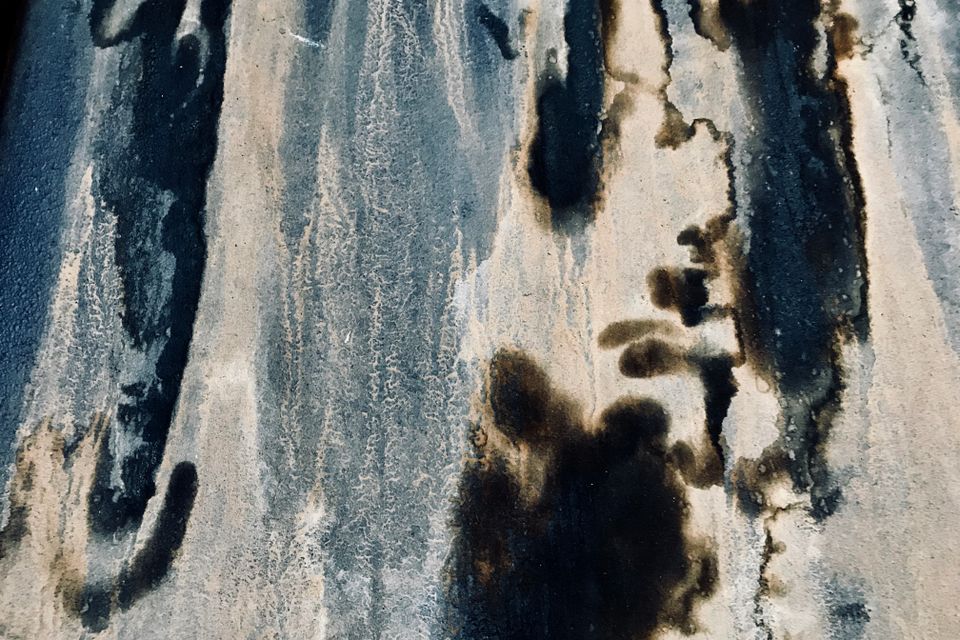
Color doesn't tell you the species or the risk. Any significant mold growth indoors should be addressed and the moisture source fixed.
Should I test for mold?
If you can see mold, testing usually isn't needed to decide to remove it. Testing helps for hidden mold or clearance after remediation.
This guide is general information for Texas homeowners, not legal, insurance or safety advice for your situation. Check your policy and follow local codes.